
In industrial, commercial, and agricultural systems where corrosive chemicals, saline water, or fertilizers are handled, valve reliability is critical. A chemical-resistant UPVC ball valve provides unmatched corrosion protection, durability, and operational efficiency. For those seeking accurate pricing and premium quality, Nisarg Plastic is a trusted manufacturer offering valves that meet domestic, commercial, and industrial requirements.
This blog is a complete guide to UPVC chemical-resistant ball valve prices from Nisarg Plastic, highlighting pricing, connection types, features, applications, and key FAQs.
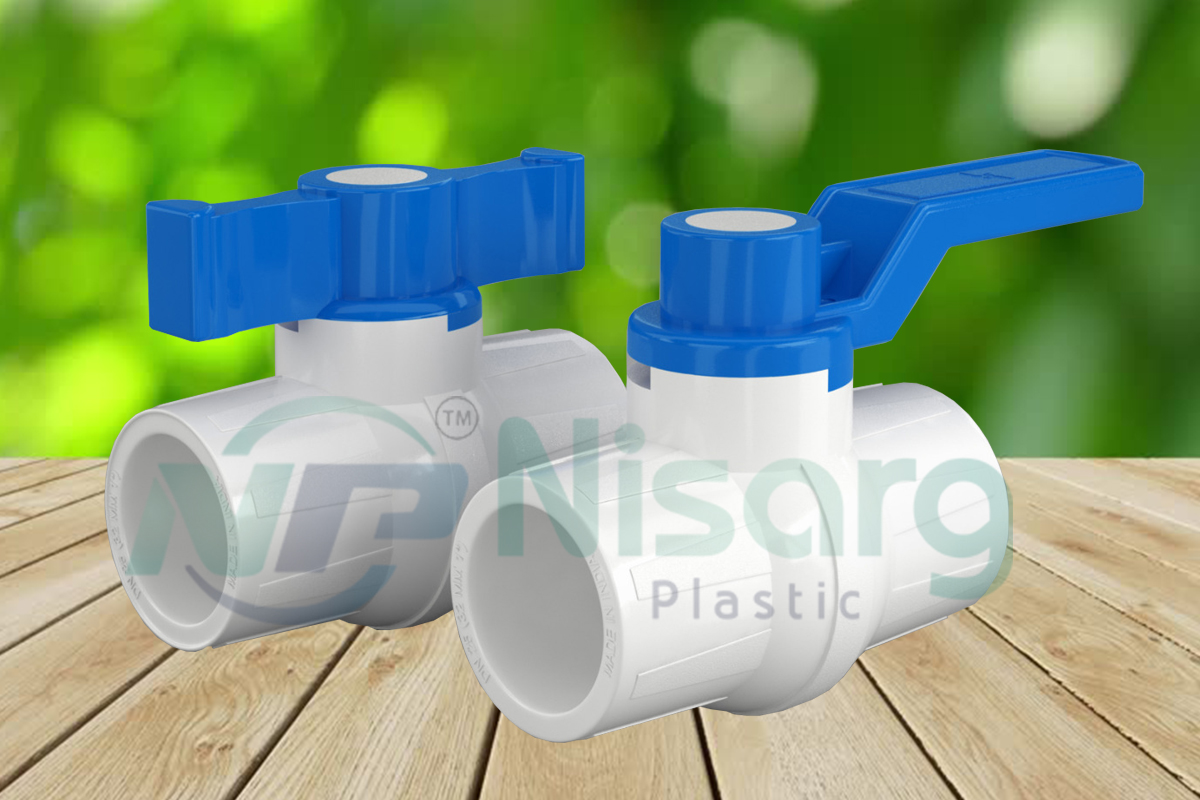
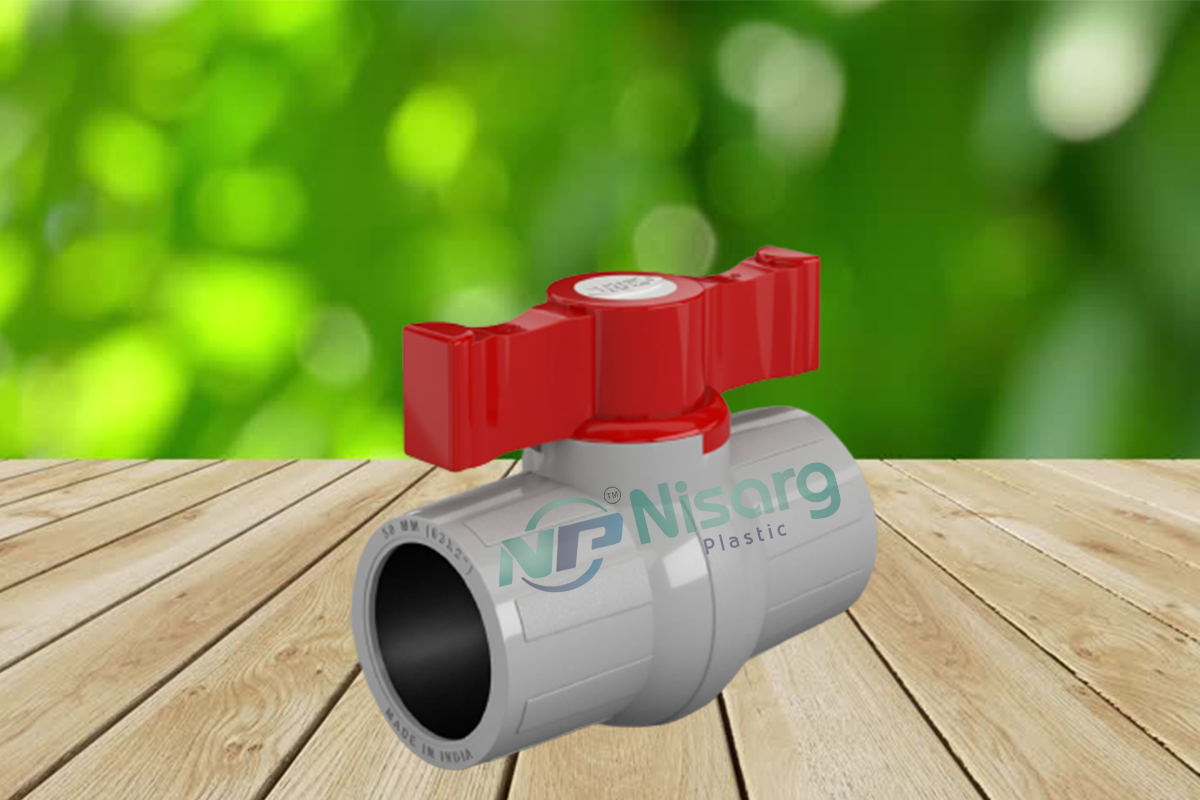
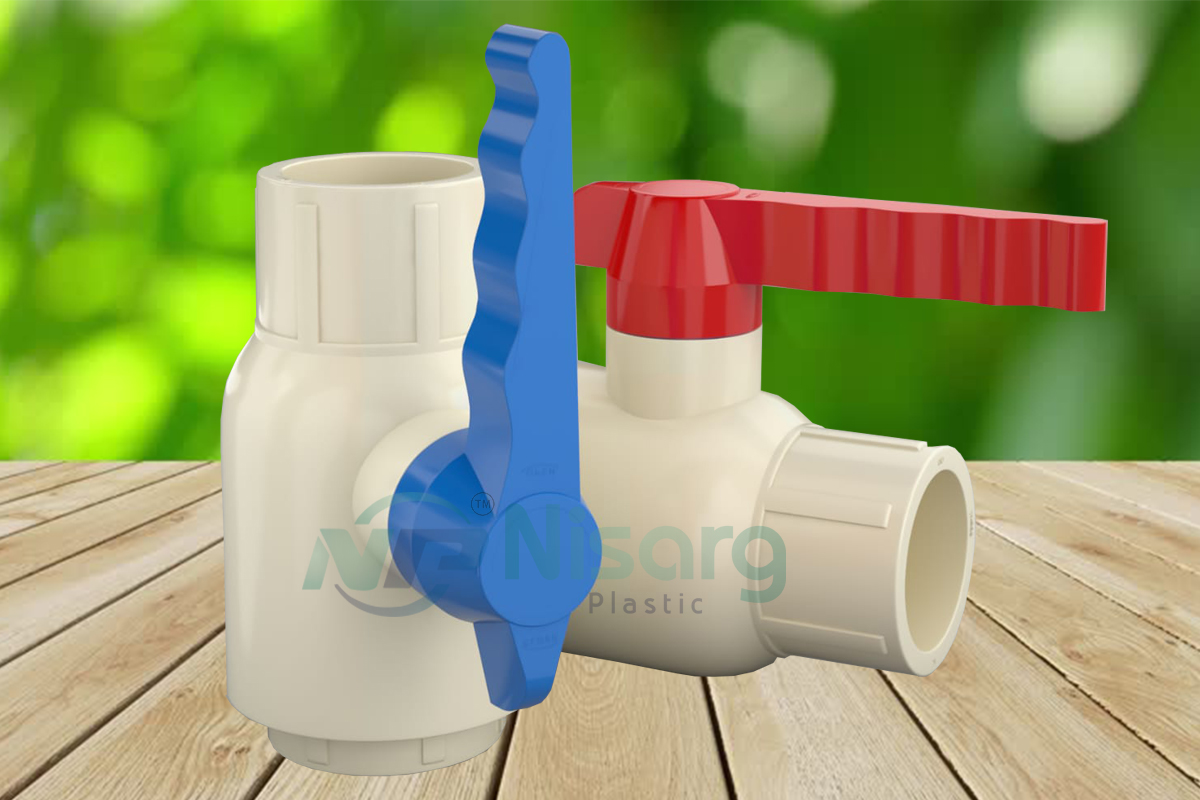
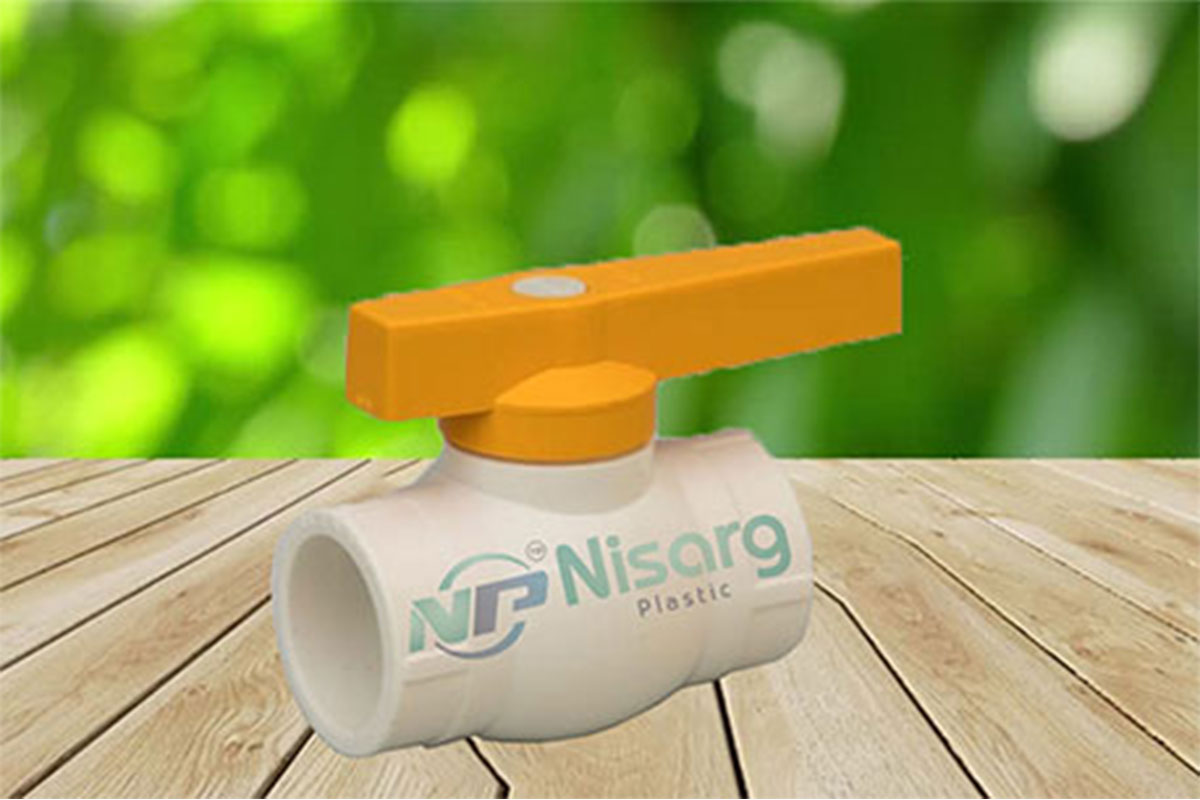
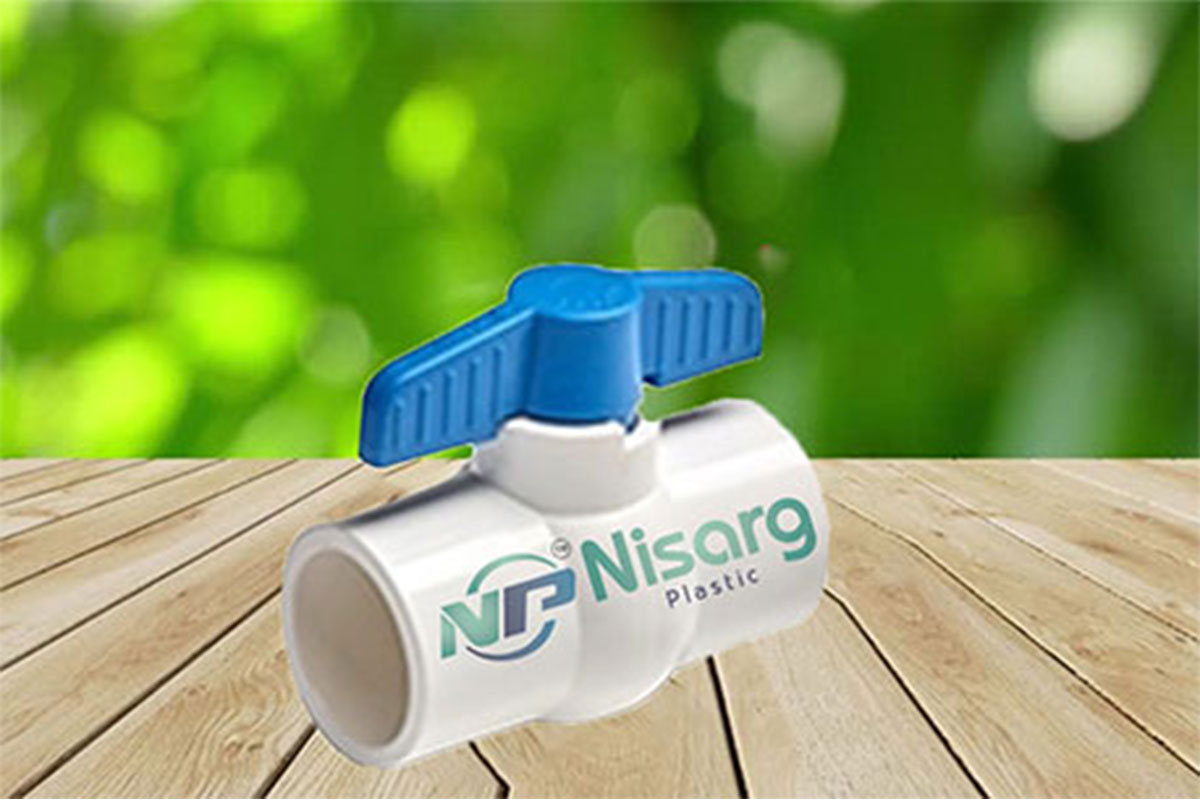
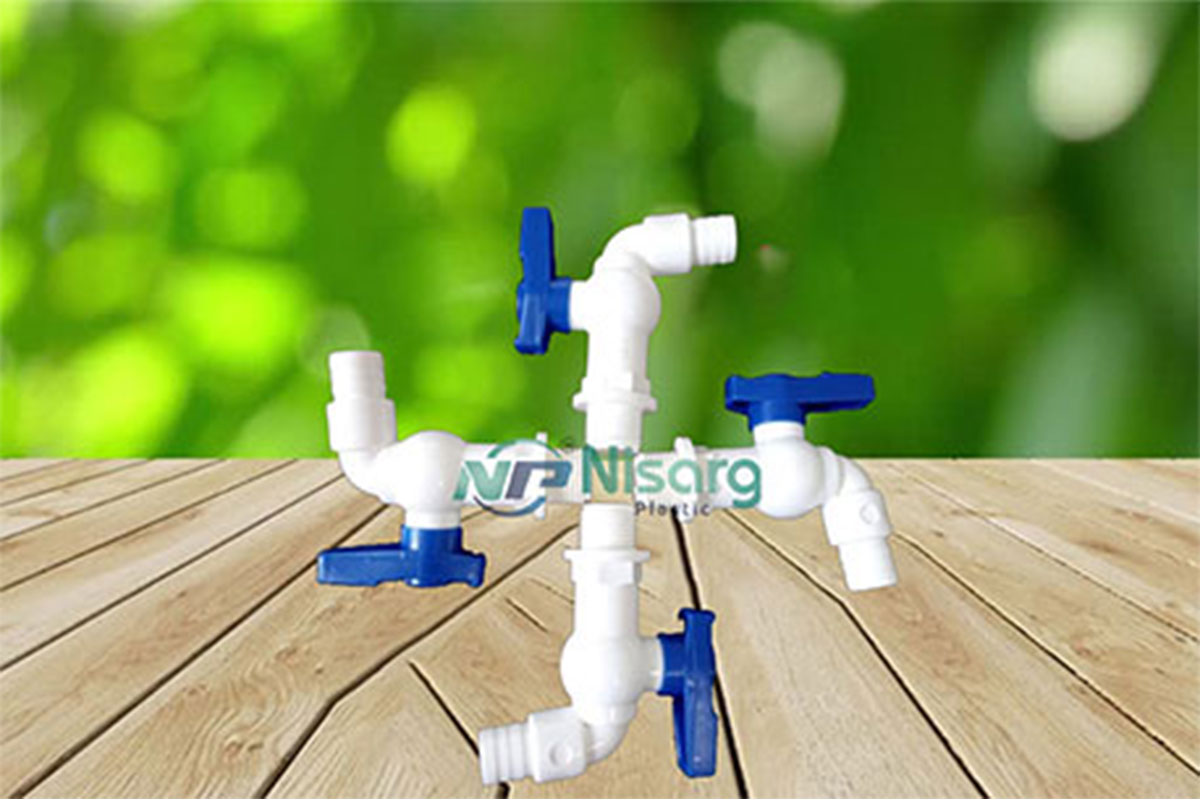
Latest UPVC Chemical-Resistant Ball Valve Prices from Nisarg Plastic
Here’s an indicative pricing table for Nisarg Plastic chemical-resistant UPVC ball valves:
| Size | Connection Type | Handle Type | Indicative Price (₹) | Typical Use |
|---|---|---|---|---|
| ½″ (15 mm) | Socket / Threaded | Plastic | ~ ₹ 60‑90 | Lab feeds, small chemical dosing lines |
| ¾″ (20 mm) | Threaded | Metal | ~ ₹ 100‑150 | Medium chemical lines, irrigation |
| 1″ (25 mm) | Union / Socket | Metal | ~ ₹ 150‑300 | Chemical dosing, farm irrigation |
| 1½″‑2″ (40‑50 mm) | Union / Flanged | Metal | ~ ₹ 300‑700 | Industrial chemical pipelines, saline water systems |
| Custom / Premium Sizes (>2″) | Special ends & high-spec seals | Metal / Heavy duty | ₹ 700+ | High-pressure or aggressive chemical service |
Note: Prices vary depending on size, connection type, handle material, seal material, and quantity ordered. Nisarg Plastic manufactures valves from DN8 to DN150 (¼″ to 6″), covering nearly all chemical-resistant applications.
Factors Affecting UPVC Chemical-Resistant Ball Valve Price
Several factors influence the price of chemical-resistant UPVC ball valves from Nisarg Plastic:
Size & Diameter: Larger valves require more UPVC material and bigger seals, increasing cost.
Connection Type: Socket and threaded ends are standard; union and flanged ends are premium.
Seal Material: PTFE, FKM, EPDM, or specialized chemical-resistant elastomers increase valve cost.
Handle Type: Metal handles for frequent operation or harsh environments cost more than plastic handles.
Pressure & Temperature Rating: Higher-rated valves for industrial chemical service require thicker walls and precision engineering.
Customization & Order Volume: Bulk standard orders reduce per-unit cost; custom sizes or rare specifications increase pricing.
Verified Connection Types from Nisarg Plastic
Nisarg Plastic manufactures chemical-resistant UPVC ball valves in the following connection types:
-
Solvent Cement Socket
-
Threaded Ends (Male/Female)
-
Union Ball Valve
-
Flanged Ends
-
Compression Fittings
These connection types ensure versatility across industrial, commercial, and agricultural chemical-handling applications.
Key Features of Nisarg Plastic Chemical-Resistant UPVC Ball Valves
-
Chemical-Resistant UPVC Body: Strong resistance to acids, alkalis, salts, and chlorinated water.
-
Durable Seals: PTFE, FKM, EPDM seals compatible with aggressive fluids.
-
Quarter-Turn Operation: Smooth, quick operation for flow control.
-
Multiple Handle Options: Plastic and metal handles for light to heavy-duty use.
-
Full or Reduced Bore Options: Optimized flow with minimal pressure drop.
-
UV & Corrosion Resistance: Suitable for outdoor chemical applications.
-
Global Standards Compliance: Engineered to ASTM, ANSI, BS, DIN, ISO where applicable.
Applications of Chemical-Resistant UPVC Ball Valves from Nisarg Plastic
Industrial Applications:
-
Chemical dosing pipelines
-
Saline water treatment
-
Acid and alkali transport lines
-
Water treatment plants
Agricultural Applications:
-
Fertilizer dosing pipelines
-
Drip irrigation systems with chemical solutions
-
Sprinkler systems using agrochemicals
Commercial & Domestic Applications:
-
Laboratory chemical feed lines
-
Swimming pools with chlorine and saline water
-
HVAC and process piping requiring chemical resistance
How to Select the Right Chemical-Resistant UPVC Ball Valve
-
Determine the chemical medium: acids, alkalis, saline water, fertilizers, etc.
-
Confirm pipe size: match valve diameter to your system (½″–6″).
-
Choose connection type: socket, threaded, union, flanged, compression.
-
Select handle type: metal for frequent use or harsh environments; plastic for domestic/light-duty use.
-
Verify pressure and temperature rating: chemical-resistant valves have operating limits.
-
Check seal compatibility with the chemical medium.
-
Consider customization needs: bulk orders or special designs may alter price.
-
Review technical datasheets, certifications, and warranty.
Tips for Maximizing Value
-
Download Brochure: Full specs and chemical compatibility chart available at upvcballvalve.com
-
Ask for Seal Material Info: Ensure compatibility with your chemicals.
-
Check Warranty: Confirm manufacturer support for chemical applications.
-
Order Standard Sizes if Possible: Custom sizes cost more.
-
Consider Bulk Orders: Reduce per-unit cost for industrial projects.
-
Ensure Handle Durability: Metal handles preferred for chemical plants or outdoor use.
Top 15 FAQs About UPVC Chemical-Resistant Ball Valve Price from Nisarg Plastic
-
What is the typical price range?
₹60‑90 for ½″ valves, ₹300‑700 for 1½″–2″ valves; custom sizes higher. -
Does the price include handle type?
Yes—metal handles cost more than plastic. -
What sizes are offered?
DN8 to DN150 (¼″–6″). -
What connection types are available?
Socket, threaded, union, flanged, compression. -
Are bulk discounts available?
Yes, contact Nisarg Plastic for bulk quotes. -
Is a warranty provided?
Yes—quality assurance and chemical compatibility support included. -
Are metal-handle variants available?
Yes—long and short metal handles for heavy-duty use. -
Can custom sizes be manufactured?
Yes, valves can be made per customer chemical specifications. -
Can these valves handle acids and alkalis?
Yes—UPVC body and PTFE/FKM/EPDM seals ensure compatibility. -
Are these valves suitable for outdoor chemical systems?
Yes—UV and corrosion resistant design. -
Where can I place an order?
Via upvcballvalve.com using the “Get a Quote” form. -
Do they support export?
Yes, globally ready. -
Which standards do they follow?
ASTM, ANSI, BS, DIN, ISO where applicable. -
Can I request a brochure?
Yes, available on their website. -
How do I ensure I get the correct chemical-resistant valve?
Confirm fluid type, concentration, temperature, pressure, size, connection, and seal material before ordering.
Conclusion
Choosing a chemical-resistant UPVC ball valve from Nisarg Plastic ensures long-term reliability, corrosion resistance, and cost-efficiency for demanding chemical, industrial, and agricultural applications. With verified connection types, multiple sizes, robust seals, and transparent pricing, Nisarg Plastic delivers valves engineered for safety and durability.
Visit upvcballvalve.com to download the brochure, check specifications, and request a quote for the perfect chemical-resistant UPVC ball valve for your project.
